We Need to be Right
Being right all the time makes you smart and successful. After all, people look up to leaders who are right. No one wants to follow the guy who is wrong. As young students, if we get a wrong answer on an exam, we’re marked down. Our success suffers. In sports, being wrong can lead to a loss for your team. In social groups, being wrong can cause humiliation. So, we’ve got a lot invested in being right.
Dr. Russ Harris from The Happiness Trap states:
“When we believe we are ‘in the wrong’, we may feel guilty, sorry, ashamed, anxious, regretful, dumb, stupid, inadequate, incompetent… And how does it feel to be right? We feel powerful, strong, righteous, correct. We feel totally justified, infallible, superior. Much better than being wrong.”
Clearly, being right is the path to success. I thought so too, but on a decade-long, thousand-mile journey, I reflected on what it truly takes to be successful. The answer was unexpected. I had to give up being right.
My 1000 Mile Journey
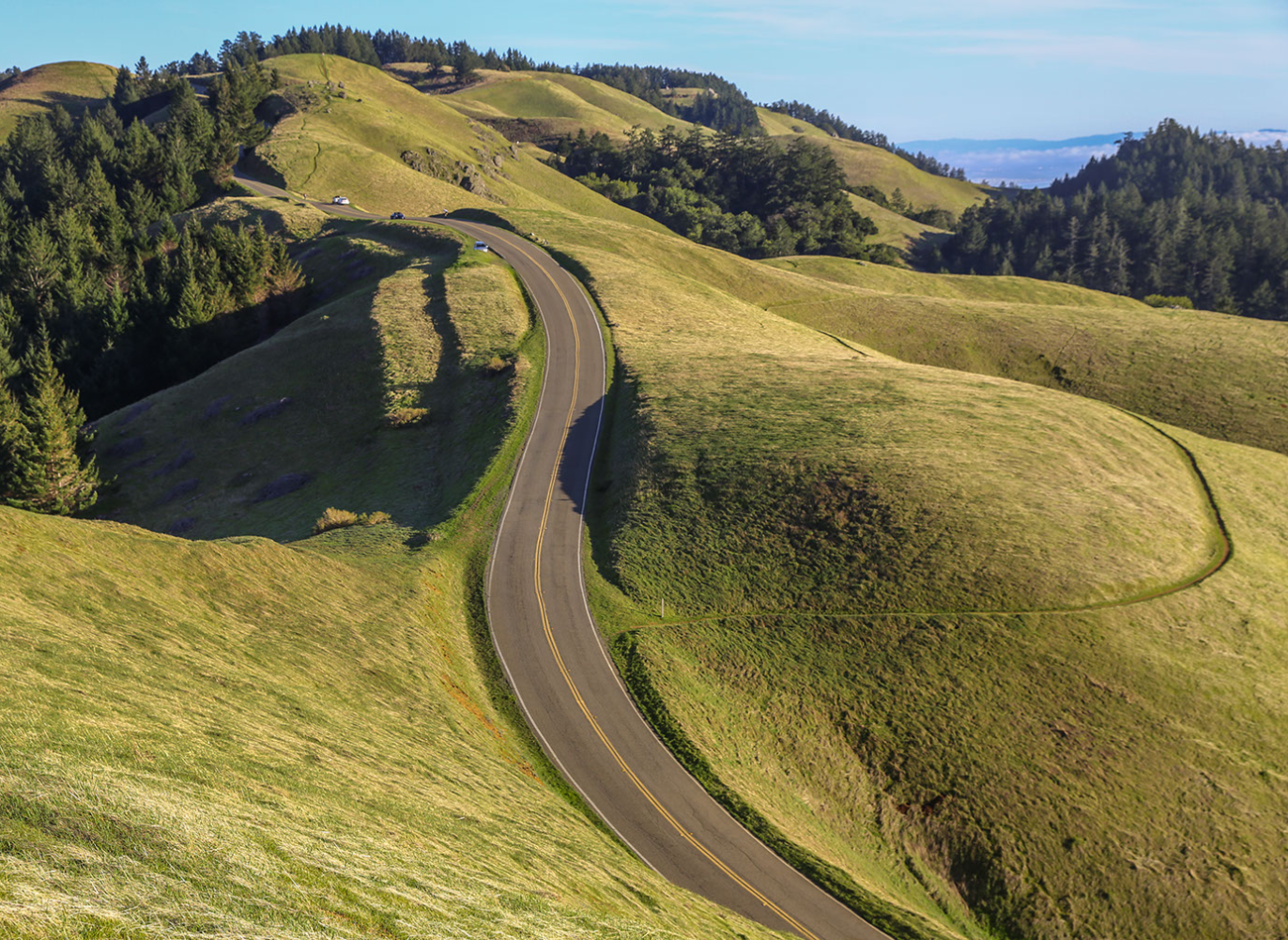 Just north of the Golden Gate Bridge lies Marin County, a suburban community with rich countryside and long meandering roads that provide amazing views of the San Francisco Bay and the Pacific Ocean. The Marin County Bicycling Coalition organizes an event every year called the Marin Century; 100 miles of cycling across rolling hills, through farmland, and open space. Several thousand cyclists descend on Marin County every year for the privilege of riding its hallowed ground.
I’m an avid cyclist, and ten years ago, I set a personal goal to ride this event every year until I can’t. This month, I completed my 10th consecutive Marin Century. As I rode this year’s event, I thought back on the years of effort, the challenges I faced, and how I overcame them. It turns out, my biggest challenges weren’t physical. There is more to becoming a strong cyclist than just pedaling.
When You Just Know You’re Right
My first year riding the century, I had it all figured out. Training was the key, and I trained hard. I felt great at the starting line, and I hit the course strong with an every-second-counts attitude. But by the 50-mile mark, I was completely gassed. I didn’t carry enough water, so I was dehydrated, and my legs were cramping. Somehow, I suffered through the second half and crossed the finish line barely able to stand. I was depleted mentally and physically, but I was a century finisher!
With some experience under my belt, the next year I vowed to train harder and finish stronger. I put more effort into my training, and I felt great. So for my second century, I rode harder. Not wanting to repeat my previous year’s mistakes, I drank more water. But somehow the cramps came back, and I still hit a wall around 60 miles. I put my head down and pedaled to the finish line, but it wasn’t pretty. It was obvious that in order to get a better result, I needed to ride faster, which means I just needed to train harder. This was obvious.
Holding on to Tight to Being Right
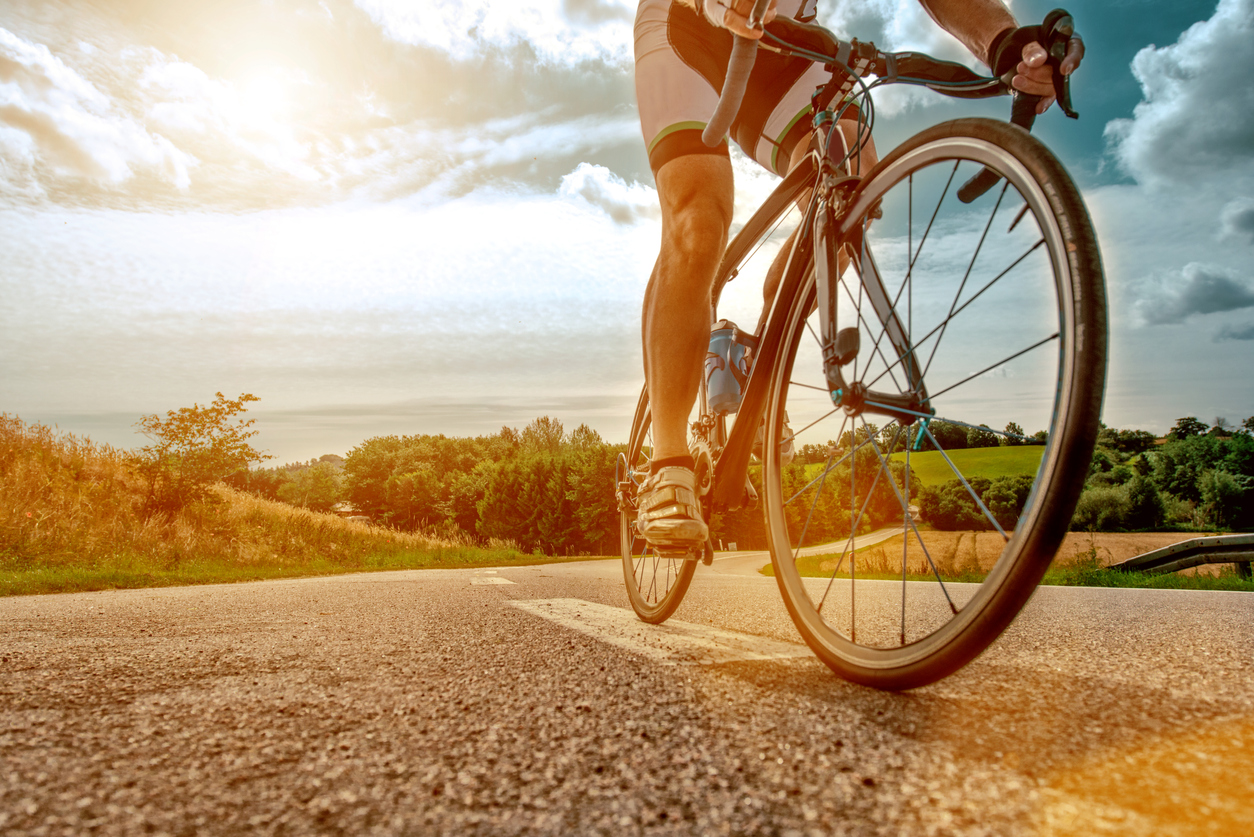 For better training tips, I started listening to podcasts and audiobooks by triathletes and endurance athletes. I spoke with friends who had run marathons and endurance events. A message became clear, but I struggled to accept it – my pacing was wrong. Many endurance athletes go slow in the first half of the event so that they can save some gas for the second half, a technique called negative splits. This seemed completely counterintuitive to me. How could I ride faster by riding slower? Nuts, trash, hogwash.
The next year, I reluctantly gave it a shot. I started off slow and quickly noticed that everyone was passing me. How could I finish strong if I was being passed by so many people? Clearly, these other riders weren’t engaging in this crazy idea of riding slower. So, in order to keep up with the herd, and not feel totally inadequate, I rode faster. Guess what? I fell apart at the mile 60 mark again and fell to the back of the pack.
Wait, I’m Wrong?
I’m pretty hard-headed, but it was becoming obvious that something was wrong. At my next event, I slowed my pace for the first half. I was passed by people much older and much less fit than I am. This was painful for my cycling ego, but I kept my pace slow and comfortable. At mile 50, I felt great. At mile 60, I started ramping up. At mile 80, I started seeing all those people who had been passing me at the start. They were suffering as I rode right past them. Ha! A brilliant idea. I finished stronger than ever and nailed my negative splits. A huge breakthrough! Maybe this crazy idea of riding slower wasn’t so crazy. I was starting to understand that my stubbornness was holding me back, and in order to grow, I needed to open my mind.
Opening the Mind
On one of my training rides with a close friend, I completely fell apart in the last 20 miles, while he continued riding strong. He asked me what was in my water bottle. What a dumb question, it’s my legs that matter, not my water bottle. But he asked again, this time implying that I wasn’t fueling properly. I was incensed. Did he mistake me for a rookie rider who doesn’t know how to handle hydration? Insulting! Doesn’t he know that I’m a century finisher? Oops, so much for being open-minded.
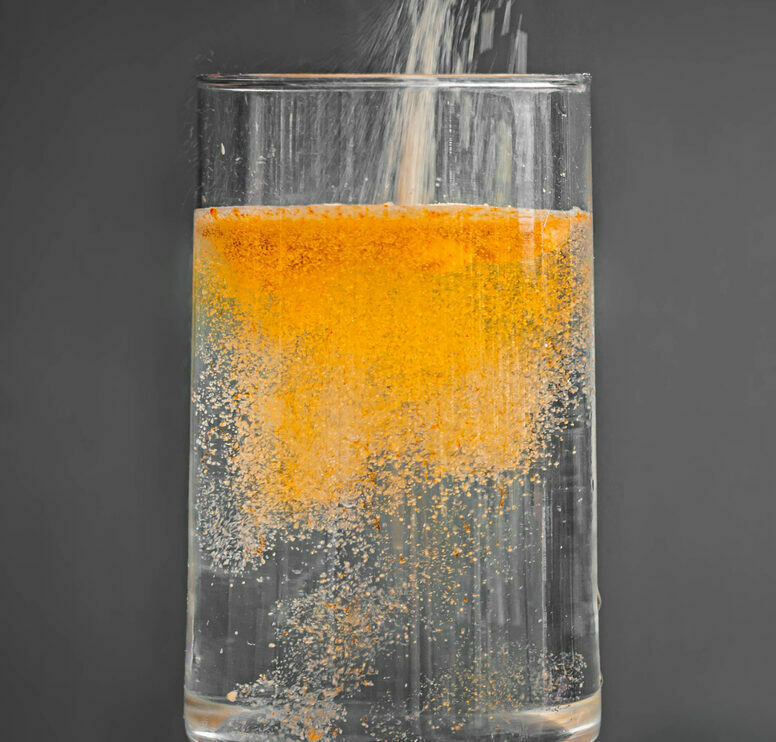 At the time, I had actually been using a very expensive brand of powders and gels, so I let him know that I appreciated his concern, but I had all my hydration and nutrition bases covered by buying the “best” products. I knew for sure that my products were better than his products. But then he went and asked again, “what exactly is in your water bottle?” I must admit, I actually had no idea. I never looked at the label; I just figured that I would use the “best” products, and thus, I would get the best results. Rule #1 of cycling: throw money at the problem. I brushed him off, but his question sat with me as he rode off ahead. Open the mind.
I did a little research and discovered that the body needs about 200 calories per hour during exercise, and the powder that I was using had a fancy plant-based (read expensive) sugar substitute with zero calories! Oops. Through further research, I also learned that since sweat contains a high content of salt (sodium), it is common to become sodium-depleted, at which point the body has trouble absorbing water. A condition called hyponatremia. When you are hyponatremic, no matter how much water you consume, the body doesn’t absorb it. It pretty much just sloshes around in your stomach, leading to a bloated, sluggish, and surprisingly dehydrated ride. More water doesn’t always mean more hydration! The $50 “power” tabs that I was using for cramps had 200 mg of sodium and a handful of other fancy ingredients that I couldn’t pronounce. I found a high-calorie, all-natural powder that I added to my water bottle and I replaced my $50 power tablets with a $5 brand of salt tabs that had 1000 mg of sodium each.
Embracing New Ideas
My next ride was my strongest ride ever, and I’ve ridden in many endurance events since, finishing in the top third in each one. The cramps, bloating, and bonking are all behind me. As I grow older, I finish stronger. Experience on the bike helped me become a better rider, but the biggest breakthroughs came from what I gave up, not what I took on. Giving up my entrenched thinking and being open to new ideas not only made me a better, more successful rider, but it made my journey more rewarding and more enjoyable. Allowing myself to be wrong was a big, unexpected step to growth. The biggest lessons are learned when you are humble enough to hear them.

In software development, there are typically 1000 ways to attack any problem. There is a software framework for every letter of the alphabet and entrenched thinking on patterns and best practices. Emphatically defending your implementation while criticizing others might make you feel knowledgeable, good about yourself, and better than other developers, but in my experience, it won’t lead to growth and usually won’t lead to a better outcome. My experience has taught me that going slower, questioning your implementation, and listening to the ideas of others can actually get you to the finish line faster and happier. These days I spend much less time dismissing others and more time asking questions. What’s in your water bottle?